
 by
by The global shipping software market is witnessing strong expansion as businesses increasingly adopt digital logistics solutions to streamline shipping operations, improve supply chain visibility, and optimize transportation costs. Rapid growth in e-commerce, omnichannel retailing, and cross-border trade is significantly increasing demand for intelligent shipping management platforms across industries.
Modern shipping software solutions are enabling enterprises to automate shipment processing, manage multi-carrier operations, optimize routes, monitor deliveries in real time, and enhance customer experiences through predictive logistics intelligence. The growing need for operational efficiency, faster fulfillment, and scalable transportation management systems is accelerating software adoption globally.
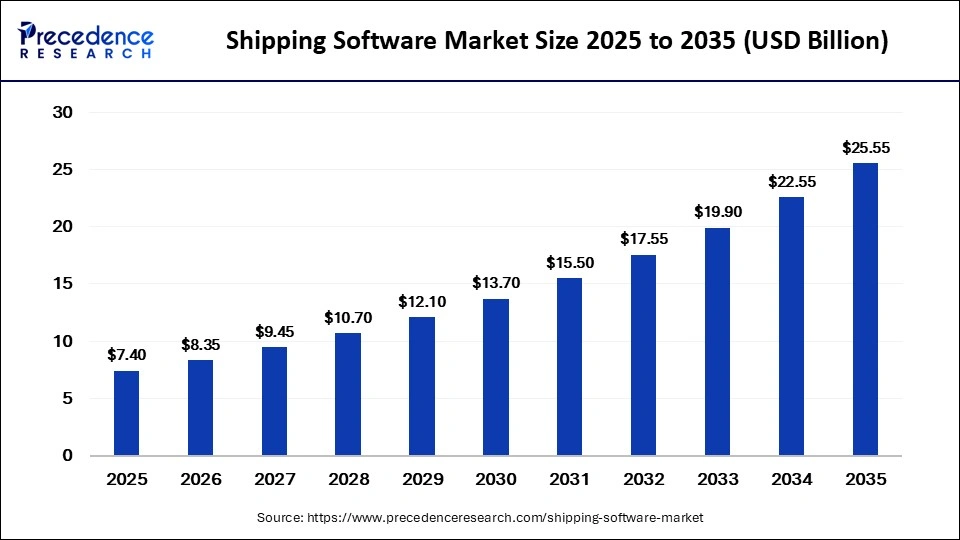
The shipping industry is also undergoing a major digital transformation driven by AI-powered logistics automation, cloud-native transportation management systems, predictive analytics, and intelligent freight orchestration platforms. Enterprises are increasingly modernizing supply chain operations to manage rising shipment complexity and growing customer expectations for faster deliveries.
Read Also: Visitor Management System Market
Quick Insights: What Is Driving the Shipping Software Market?
North America currently dominates the shipping software market due to advanced logistics infrastructure, high cloud adoption, and strong e-commerce penetration.
Asia Pacific is expected to witness the fastest growth due to rapid expansion of digital commerce, manufacturing ecosystems, and logistics modernization initiatives.
Cloud-based shipping software solutions are emerging as the dominant deployment model because of scalability, remote accessibility, and easier API integrations.
Transportation management systems (TMS) and real-time shipment tracking platforms are among the fastest-growing software categories globally.
AI-driven route optimization, automated freight matching, and predictive analytics are becoming core innovation trends across the industry.
Growing demand for last-mile delivery visibility and automated warehouse coordination is accelerating adoption among logistics providers and retailers.
Organizations increasingly prefer integrated shipping platforms capable of managing parcel shipping, freight forwarding, returns management, and cross-border logistics within unified ecosystems.
What Is Shipping Software and Why Is It Becoming Essential?
Shipping software refers to digital platforms designed to automate and optimize shipment management, transportation coordination, carrier integration, and logistics workflows across supply chains.
Modern shipping software solutions help businesses:
- Compare carrier rates
- Generate shipping labels
- Track shipments in real time
- Automate freight booking
- Optimize delivery routes
- Manage returns
- Improve warehouse coordination
- Enhance customer communication
These systems are increasingly integrated with:
- E-commerce platforms
- Warehouse management systems
- ERP systems
- Inventory software
- Fleet management platforms
- Supply chain visibility tools
As shipping networks become increasingly complex, organizations are relying on intelligent logistics software to improve operational efficiency and maintain competitive delivery performance.
How Is Artificial Intelligence Transforming the Shipping Software Market?
Artificial intelligence is fundamentally reshaping the shipping software market by enabling intelligent logistics automation, predictive route optimization, and real-time operational intelligence.
AI-powered shipping platforms can:
- Predict delivery delays
- Optimize carrier selection
- Automate shipment scheduling
- Reduce fuel costs
- Improve route planning
- Forecast logistics demand
- Automate customer updates
- Detect operational bottlenecks
AI-driven logistics orchestration is increasingly helping organizations reduce manual workflows while improving shipping accuracy and customer satisfaction.
Companies are also integrating machine learning models capable of analyzing:
- Traffic conditions
- Weather patterns
- Delivery performance
- Warehouse activity
- Freight pricing
- Route efficiency
to improve transportation planning and operational resilience.
The rapid adoption of AI-native logistics platforms is expected to remain one of the strongest growth drivers in the shipping software industry over the next decade.
Why Is the Shipping Software Market Growing Rapidly?
Explosion of E-Commerce and Omnichannel Retail
The rapid expansion of online shopping and omnichannel commerce is dramatically increasing shipment volumes worldwide, creating strong demand for automated shipping management platforms.
Retailers increasingly require intelligent software capable of coordinating:
- Multi-carrier shipping
- Last-mile delivery
- Reverse logistics
- Cross-border fulfillment
- Inventory synchronization
Rising Demand for Real-Time Visibility
Businesses increasingly seek real-time shipment tracking and predictive delivery intelligence to improve customer experiences and supply chain transparency.
Expansion of Cloud-Based Logistics Platforms
Cloud-native shipping software solutions are gaining traction because they offer:
- Faster deployment
- Scalability
- API integrations
- Centralized management
- Remote accessibility
Growing Logistics Complexity
Global supply chains are becoming increasingly complex due to:
- International trade expansion
- Multi-channel fulfillment
- Dynamic delivery expectations
- Geopolitical disruptions
- Rising transportation costs
Increasing Need for Cost Optimization
Organizations are deploying shipping software to reduce transportation expenses through:
- Route optimization
- Carrier comparison
- Freight consolidation
- Automated load planning
Why Are AI-Powered Route Optimization Platforms Becoming Critical?
AI-powered route optimization systems are emerging as transformative technologies within logistics operations.
Modern platforms dynamically analyze:
- Traffic conditions
- Delivery schedules
- Fuel efficiency
- Shipment priorities
- Driver performance
- Geographic constraints
to generate optimal delivery routes in real time.
A recent logistics deployment demonstrated how AI-powered routing software reduced delivery routes by nearly half while improving package sorting efficiency and lowering operational costs.
AI-based logistics optimization is increasingly helping organizations:
- Reduce fuel consumption
- Improve delivery accuracy
- Minimize delays
- Enhance fleet productivity
- Improve sustainability initiatives
The growing pressure for faster and more efficient deliveries is expected to accelerate adoption of AI-enabled logistics intelligence platforms globally.
Could Cloud-Based Shipping Platforms Replace Traditional On-Premise Systems?
The logistics industry is rapidly transitioning toward cloud-native shipping software ecosystems.
Cloud-based platforms provide:
- Automatic updates
- Easier carrier API integrations
- Multi-location coordination
- Faster scalability
- Lower upfront costs
- Remote operational access
Industry discussions increasingly highlight that cloud deployment is becoming the preferred approach because carrier APIs and logistics regulations change frequently, making cloud-based systems more agile and easier to maintain.
Cloud-first logistics ecosystems are especially attractive for:
- SMEs
- E-commerce brands
- Third-party logistics providers (3PLs)
- Freight brokers
- Global retailers
What Challenges Are Restricting Market Growth?
Rising Transportation and Fuel Costs
Volatile fuel prices and increasing transportation expenses continue creating operational pressure for logistics providers globally.
Cybersecurity Risks
Shipping platforms increasingly handle sensitive logistics, customer, and financial data, increasing exposure to cybersecurity threats.
Integration Complexity
Organizations often face challenges integrating shipping software with legacy ERP, warehouse, and carrier systems.
High Implementation Costs
Enterprise-grade shipping software deployments can require substantial investments in infrastructure modernization and process redesign.
Regulatory and Compliance Challenges
International trade regulations, customs requirements, and regional shipping policies create additional operational complexity for logistics software providers.
Segment Analysis: Which Areas Are Driving Revenue Growth?
Cloud-Based Shipping Software Leads Adoption
Cloud deployment models dominate the market because organizations increasingly prioritize scalability, centralized visibility, and operational flexibility.
Transportation Management Systems (TMS) Witness Strong Demand
Transportation management platforms are among the leading software categories due to rising demand for:
- Freight optimization
- Route planning
- Carrier management
- Real-time visibility
Last-Mile Delivery Solutions Emerging Rapidly
The expansion of e-commerce and same-day delivery models is increasing demand for last-mile delivery optimization software.
Analytics & Reporting Platforms Gain Momentum
Organizations increasingly prioritize advanced logistics analytics and reporting tools to improve operational decision-making and supply chain forecasting.
Regional Analysis: Which Regions Are Leading the Market?
Why Does North America Dominate the Shipping Software Market?
North America remains the leading regional market because of:
- Advanced transportation infrastructure
- Strong cloud adoption
- Mature e-commerce ecosystems
- Large-scale logistics modernization
- Early AI adoption
The United States continues driving innovation through investments in AI-driven logistics automation and intelligent transportation management systems.
Why Is Asia Pacific Emerging as the Fastest-Growing Region?
Asia Pacific is experiencing strong growth due to:
- Expanding manufacturing activity
- Rising digital commerce
- Growth of cross-border trade
- Smart logistics investments
- Rapid urbanization
Countries such as China, India, Japan, and Singapore are heavily investing in supply chain modernization and logistics automation infrastructure.
Europe Maintains Strong Market Position
Europe continues witnessing strong adoption because of:
- Increasing sustainability initiatives
- Expansion of digital logistics platforms
- Cross-border transportation complexity
- Rising demand for freight visibility solutions
The region is increasingly adopting AI-enabled transportation management systems to optimize fuel efficiency and reduce operational costs.
Competitive Landscape: Which Companies Are Leading the Market?
The shipping software market is highly competitive, with enterprise software providers, logistics technology firms, and AI-driven transportation startups aggressively investing in digital supply chain innovation.
Major Companies Operating in the Market
- Descartes Systems Group
- Oracle
- SAP
- Manhattan Associates
- MercuryGate
- ShipStation
- EasyPost
- Pitney Bowes
- FreightPOP
- WiseTech Global
- BluJay Solutions
- Körber Supply Chain
- Project44
- FourKites
- Shippo
These companies are focusing heavily on:
- AI-powered logistics automation
- Multi-carrier shipping integration
- Real-time visibility
- Predictive analytics
- Cloud-native logistics platforms
- Last-mile delivery optimization
- Sustainability tracking
Strategic acquisitions and AI integration continue reshaping competition across the industry.
What Recent Innovations Are Reshaping the Industry?
Amazon Expands Logistics Infrastructure Services
Amazon recently expanded its logistics and fulfillment infrastructure services, allowing external businesses to leverage its warehousing and transportation ecosystem, increasing competition across shipping and logistics markets.
AI-Powered Routing Platforms Improve Delivery Efficiency
Logistics companies are increasingly deploying AI-driven route optimization software capable of reducing delivery routes, improving package sorting, and lowering transportation costs.
Supply Chain Visibility Platforms Gain Adoption
Organizations are prioritizing real-time shipment tracking and predictive analytics platforms to improve operational resilience and customer transparency.
Case Study: AI-Based Shipping Optimization Improves Logistics Efficiency
A logistics provider implemented an AI-powered shipping management platform integrated with:
- Real-time route optimization
- Automated carrier selection
- Warehouse coordination
- Predictive delivery analytics
The deployment enabled the organization to:
- Reduce delivery routes significantly
- Lower fuel expenses
- Improve delivery accuracy
- Streamline package sorting
- Improve customer satisfaction
- Enhance operational transparency
The company also reported improved scalability and reduced manual coordination requirements.
What Are Industry Experts Saying About Logistics Transformation?
Industry discussions increasingly emphasize that logistics companies must modernize rapidly to remain competitive in an environment defined by continuous disruption, rising delivery expectations, and supply chain volatility.
Experts increasingly highlight:
- AI-led logistics automation
- Predictive shipment visibility
- Real-time supply chain intelligence
- Sustainable transportation optimization
- Autonomous logistics workflows
- Cloud-native freight orchestration
as the key forces reshaping the future of shipping technology.
Conclusion: AI, Cloud Logistics, and Real-Time Visibility Are Reshaping the Shipping Software Industry
The shipping software market is entering a major growth phase driven by e-commerce expansion, intelligent logistics automation, and rising enterprise demand for real-time supply chain visibility.
Future market growth will increasingly focus on:
- AI-powered route optimization
- Cloud-native shipping platforms
- Real-time logistics analytics
- Predictive freight management
- Last-mile delivery intelligence
- Sustainability optimization
- Multi-carrier integration
- Autonomous logistics operations
As supply chains become increasingly complex and customer expectations continue rising, shipping software platforms will remain essential for enabling operational efficiency, scalability, and digital logistics transformation globally.
Get a Sample Copy: https://www.precedenceresearch.com/sample/8394
For inquiries regarding discounts, bulk purchases, or customization requests, please contact us at sales@precedenceresearch.com

- Hexanal Market Size to Reach USD 412.98 Billion by 2035 - June 26, 2026
- Cubeb Oil Market Size to Reach USD 122.93 Billion by 2035 - June 26, 2026
- U.S. Battery Logistics Market Size to Reach USD 11.43 Billion by 2035 - June 25, 2026
